EducationSoftwareStrategy.com
StrategyCommunity

Knowledge Base

Product

Community

Knowledge Base

TopicsBrowse ArticlesDeveloper Zone

Product

Download SoftwareProduct DocumentationSecurity Hub

Education

Tutorial VideosSolution GalleryEducation courses

Community

GuidelinesGrandmastersEvents
x_social-icon_white.svglinkedin_social-icon_white.svg
Strategy logoCommunity

© Strategy Inc. All Rights Reserved.

LegalTerms of UsePrivacy Policy
  1. Home
  2. Topics

MicroStrategy Schema Modeling


Tianfeng (Jimmy) Jiang

Quality Engineer, Principal • MicroStrategy


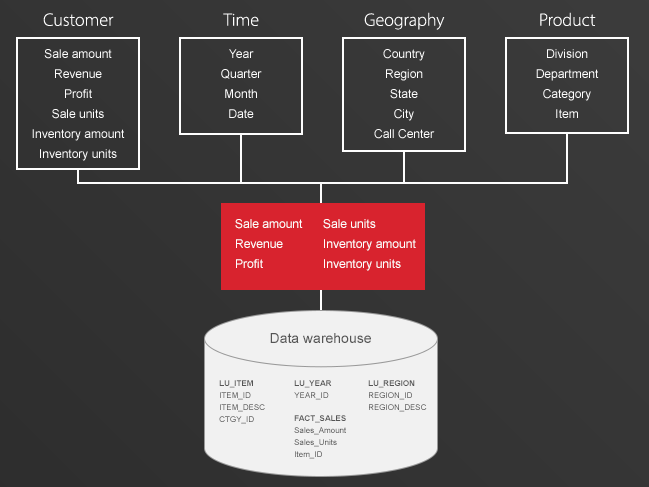
With the modeling tool, architects can map the physical database schema, model data based on business requirements and terminology, and build complex hierarchies to organize data and better reflect relationships.

The modeling tool allows architects to transform a complex enterprise data environment into a unified logical data model.
The logical data model is composed of data abstraction objects (attributes, dimensions, etc.) that can be reused across projects, reports, dashboards, and applications.
A logical data model represents the definitions, characteristics, and relationships of data across an enterprise environment in business terms that any user can understand.  
With the modeling tool, architects can map the physical database schema, model data based on business requirements and terminology, and build complex hierarchies to organize data and better reflect relationships. Watch video to learn how Strategy schema modeling works.
ka02R000000kaFHQAY_0EM440000002LqS.png

Comment

0 comments

Details

Knowledge Article

Published:

May 16, 2017

Last Updated:

May 16, 2017